

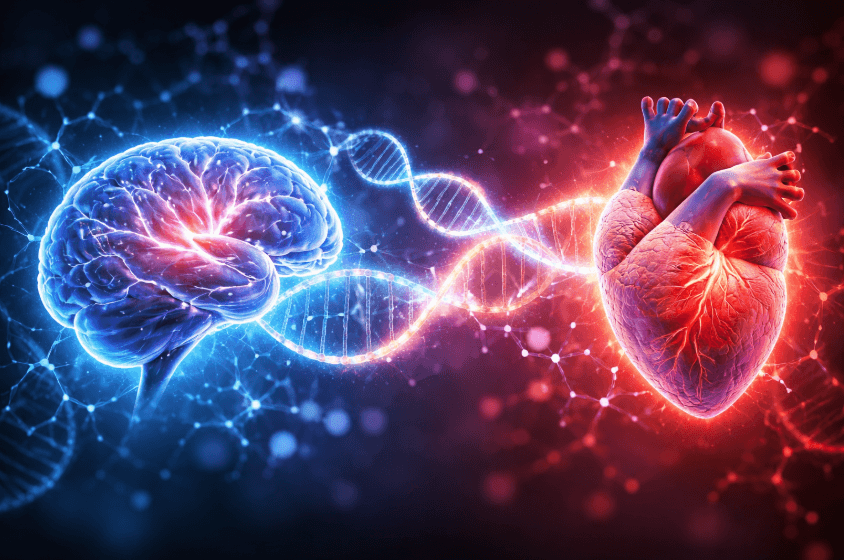
For generations, mental health disorders and physical diseases have been treated as separate medical categories, often managed by different specialists and healthcare systems. New research from the University of Colorado Boulder is challenging that long-standing divide, suggesting the biological connection between the two may be far stronger than previously understood.
A large genetic study published in the journal Nature Communications found that many of the same DNA variants linked to psychiatric conditions—including depression, post-traumatic stress disorder (PTSD), and attention-deficit/hyperactivity disorder (ADHD)—are also associated with a broad range of physical illnesses. Researchers say the findings could help reshape how physicians understand, diagnose, and eventually treat co-occurring mental and physical health conditions.
Study Highlights Genetic Links Between Mental and Physical Disorders
“The surprising finding here is not that psychiatric disorders and medical disorders are linked, but rather, how much they are linked,” said senior author Andrew Grotzinger, assistant professor of psychology and neuroscience at the University of Colorado Boulder.
“At the genetic level, we found that there is so much overlap they are really not two different classes of diseases at all,” he said.
The research analyzed genetic and health data from approximately 1.9 million people, making it one of the largest studies of its kind to examine the biological overlap between psychiatric and medical conditions.
Researchers evaluated genetic associations across 73 physical health outcomes spanning eight medical categories, including neurological, respiratory, cardiovascular, digestive, endocrine and metabolic, genitourinary, musculoskeletal disorders, and cancer. They then compared those findings with genetic data tied to 13 psychiatric disorders across five diagnostic categories.
The analysis found that psychiatric and physical disorders shared genetic risk factors 42% of the time.
Why Mental and Physical Conditions Often Occur Together
The findings help explain a pattern long observed by physicians: patients frequently experience mental and physical illnesses simultaneously.
Previous research has shown that 41% of people diagnosed with one psychiatric disorder meet the criteria for four or more psychiatric conditions. Meanwhile, an estimated 38% of the global population lives with at least two chronic physical health conditions.
“In the clinic, you rarely see someone with just one condition walk into a room,” said lead author Jeremy Lawrence, a doctoral candidate in clinical psychology. “If we can better understand the cross-talk between these conditions, we can do a better job helping the whole patient.”
Recent population-level studies have also underscored the connection. One analysis of Danish health records found that having a mental health disorder increased the risk of developing a physical illness by 37%, with some psychiatric conditions raising the risk of certain medical disorders by nearly 400%.
Research has also shown that people with depression are about 1.5 times more likely to develop heart disease than those without depression.
ADHD, Depression, and PTSD Show Strongest Overlap With Physical Illness
Among the psychiatric disorders studied, neurodevelopmental disorders—particularly ADHD—showed the strongest genetic links to physical illness.
Researchers found ADHD shared more genetic overlap with physical diseases than with other psychiatric disorders.
Major depressive disorder, PTSD, and substance use disorders also demonstrated substantial overlap with physical health conditions.
By contrast, compulsive disorders such as obsessive-compulsive disorder and Tourette syndrome showed relatively limited association with physical illnesses. Researchers noted these disorders even appeared to have a protective relationship with digestive disorders in some cases.
Certain Disorders Frequently Appear Together
The study also identified patterns in how specific mental and physical conditions tend to cluster:
Schizophrenia and Gastrointestinal Disorders
Schizophrenia showed a notable association with gastrointestinal problems.
Bipolar Disorder and Genitourinary Conditions
Bipolar disorder was linked more frequently with genitourinary disorders and sleep-related problems.
Depression, Anxiety, and Cardiovascular Disease
Depression and anxiety were commonly associated with heart and circulatory diseases.
Untangling Cause and Effect
Researchers caution that shared genetics are only part of the explanation.
Mental illness can contribute to physical health problems through behavioral pathways, such as poor diet, lack of exercise, disrupted sleep, or substance use. At the same time, physical illnesses can increase the risk of psychiatric disorders—for example, a cancer diagnosis may contribute to depression or anxiety.
In some cases, however, the same genetic variation may independently increase the likelihood of both mental and physical disease.
Implications for Future Treatment
The findings may eventually support more integrated treatment approaches that target mental and physical health simultaneously.
Lawrence pointed to GLP-1 agonists as one example of crossover therapies. Originally developed to treat diabetes and later widely prescribed for weight loss, the drugs are now being studied for potential use in treating substance use disorders.
Researchers say genetics may also one day help identify people at heightened risk for combinations of psychiatric and physical illnesses, allowing for earlier intervention and more personalized care.
Breaking Down the Divide Between Mental and Physical Health
For now, the authors say the research reinforces the importance of treating mental health as a core part of overall medical care.
“You can ask someone to spit in a tube or put a blood pressure cuff on to diagnose physical illness, but in many ways, we don’t have that for psychiatric disorders, so some have viewed them as more esoteric and less tangible,” Grotzinger said.
“Psychiatric disorders are just as real as any medical disease. Our findings help make that argument.”
The study adds to growing evidence that mental and physical health are deeply interconnected—an insight that could influence everything from clinical care to public health policy in the years ahead.