
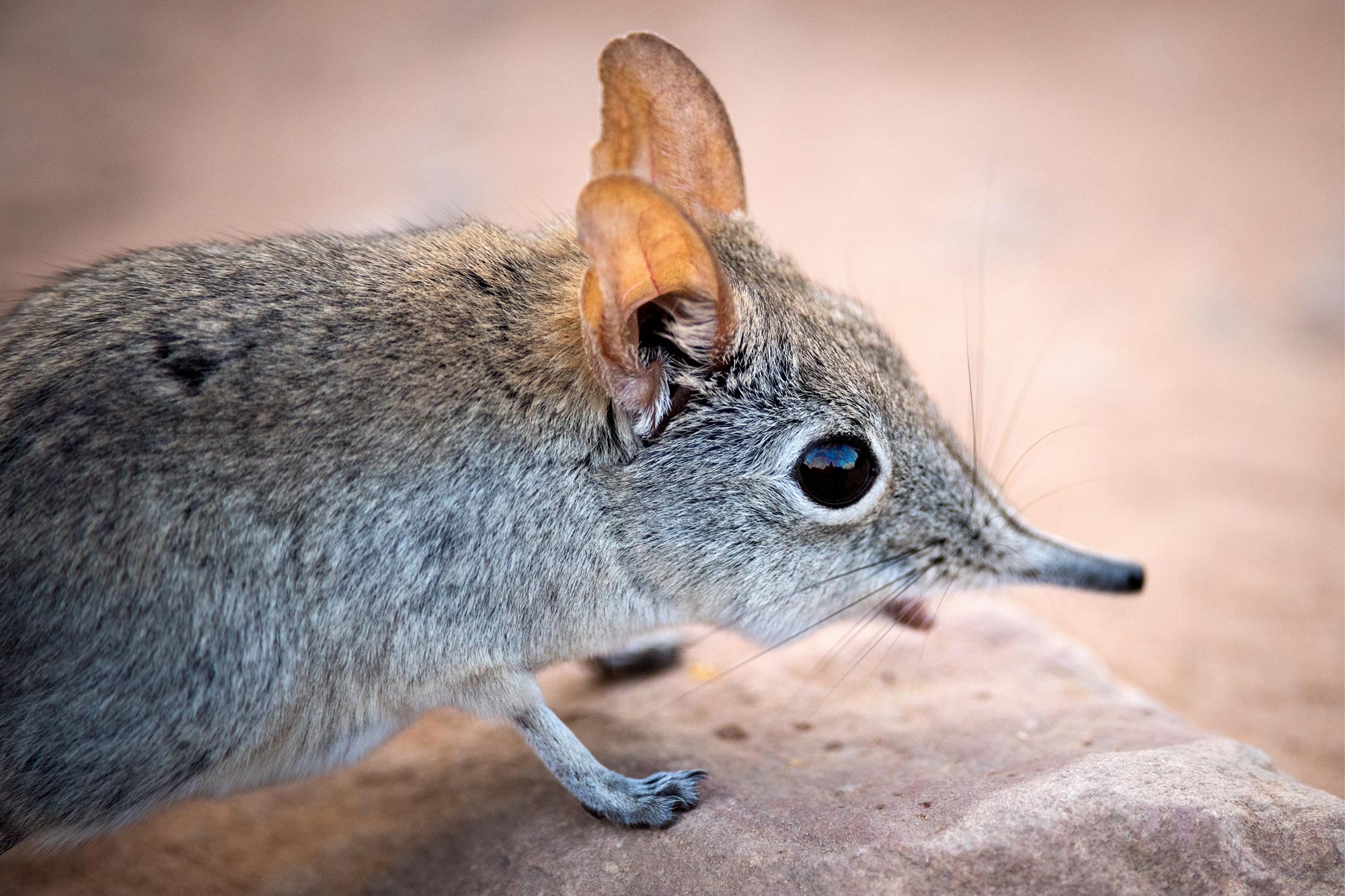
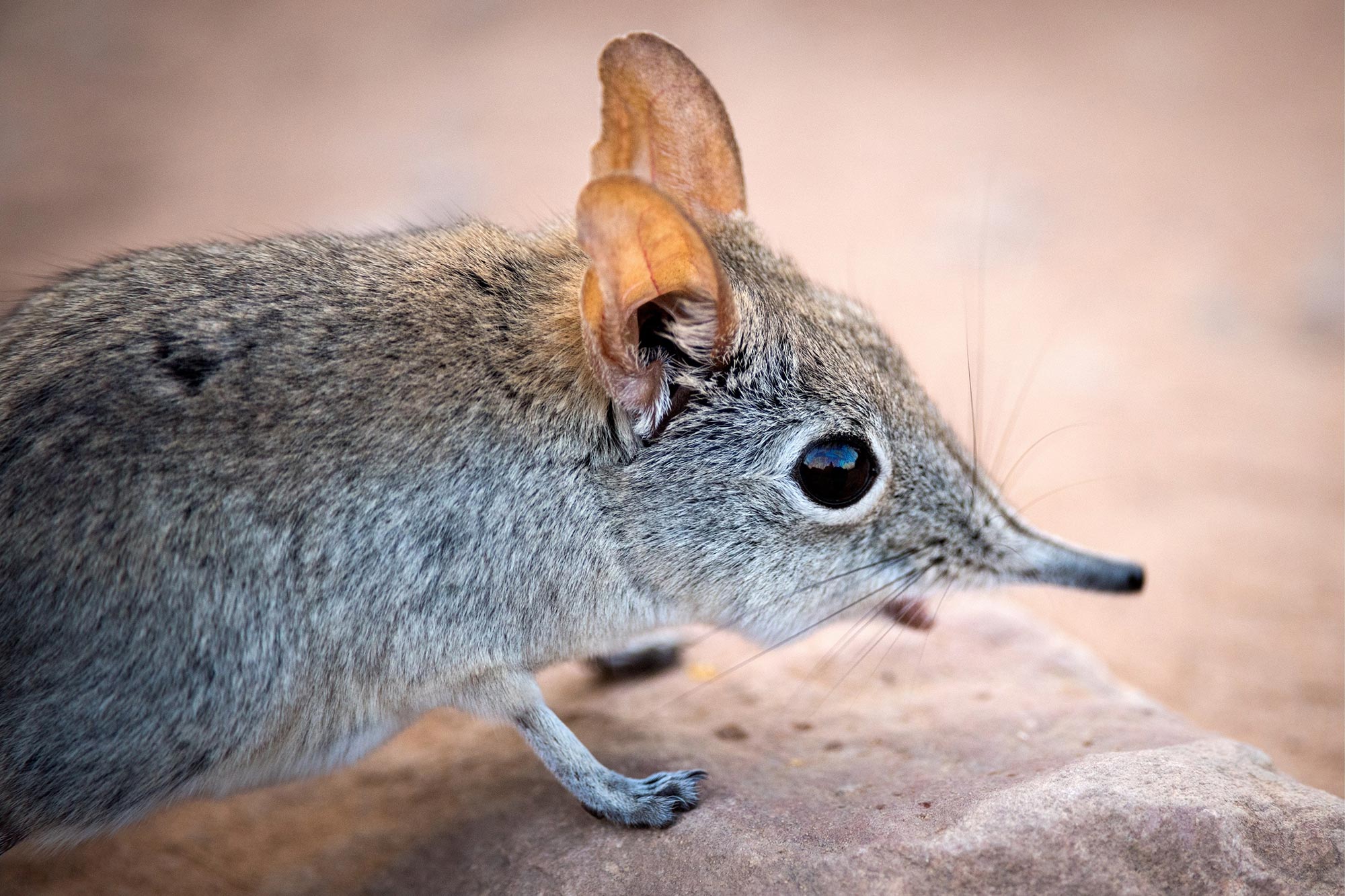
According to molecular phylogenetic trees, elephant shrews are more closely related to elephants than to shrews.
An evolutionary tree, or phylogenetic tree, is a branching diagram that shows the evolutionary relationships between different biological species based on similarities and differences in their characteristics. Historically, this was done using their physical characteristics – the similarities and differences in the anatomy of different species.
However, advances in genetic technology are now enabling biologists to use genetic data to decipher evolutionary relationships. According to a new study, scientists have found that molecular data leads to much different results, sometimes upending centuries of scientific work in classifying species by physical traits.
“This means that convergent evolution has been fooling us – even the smartest evolutionary biologists and anatomists – for over 100 years!” – Matthew Wells
Since Darwin and his contemporaries in the 19th century, biologists have been trying to reconstruct the “family trees” of animals by carefully examining differences in their anatomy and structure (morphology).
However, with the development of rapid genetic sequencing technologies, biologists are now able to use genetic (molecular) data to help piece together the evolutionary relationships of species very quickly and inexpensively, often proving that organisms we once thought closely related belong in Reality into a completely different set of tree branches.
For the first time, scientists in Bath compared phylogenetic trees based on morphology with those based on molecular data, and plotted them according to geographic location.
They found that animals grouped together by molecular trees lived more closely together geographically than animals grouped using morphological trees.
“It turns out that a lot of our evolutionary trees are wrong,” said Matthew Wells, professor of evolutionary paleobiology at the University of Bath’s Milner Center for Evolution.
“For more than a hundred years, we have been classifying organisms according to their shape and grouped together anatomically, but molecular data often tells a somewhat different story.
“Our study statistically proves that if you construct an evolutionary tree of animals based on their molecular data, it often fits better with their geographic distribution.
“The place where things live – their biogeography – is an important source of evolutionary evidence that was familiar to Darwin and his contemporaries.
“For example, young shrews, pigskins, elephants, golden moles, and swimming manatees all come from the same large branch of mammalian evolution—despite the fact that they look very different from one another (and live in completely different ways).
“The Molecular Trees put them together into a group called Afrotheria, or whatever that’s called because they all come from the African continent, so the group matches biogeography.”
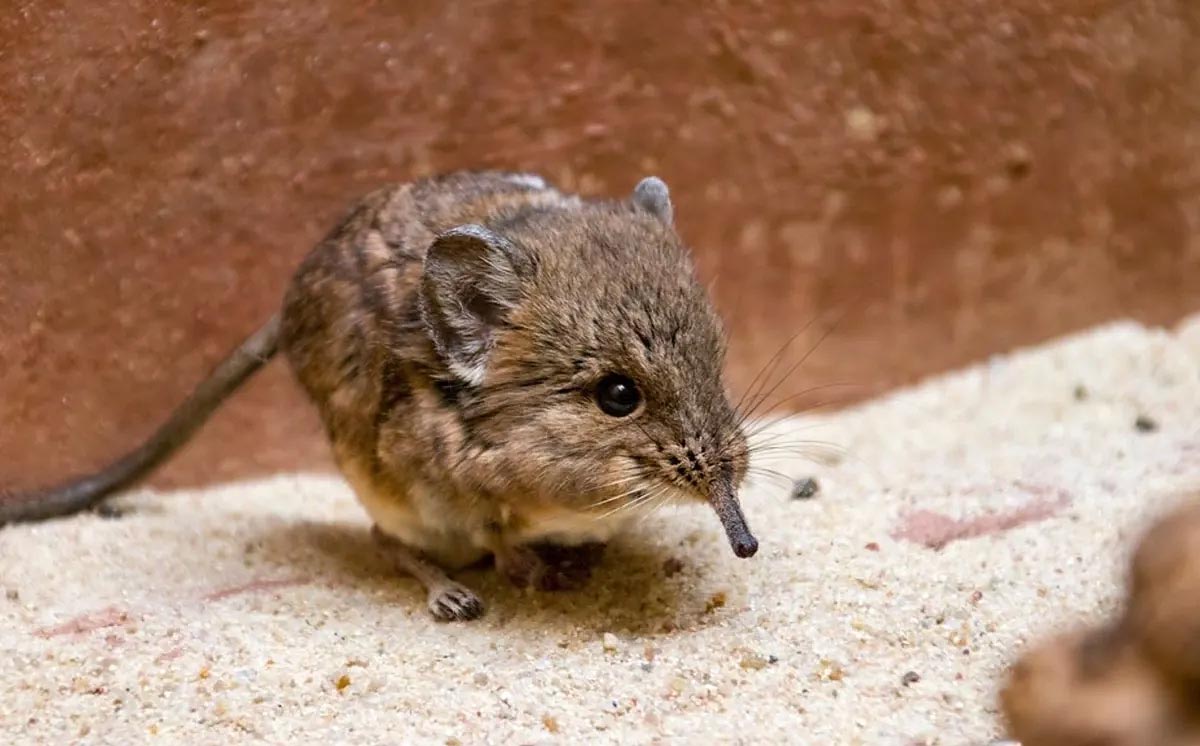
Molecular phylogenetic trees show that elephant shrews are more closely related to elephants than to shrews. Credit: Danny Ye
The study found that convergent evolution — when a trait evolves separately in two groups of genetically unrelated organisms — is more common than biologists previously thought.
Professor Wells said: “We already have a lot of famous examples of convergent evolution, such as flight that evolve separately in birds, bats and insects, or the complex camera eyes that evolve separately in squid and humans.
“But now with the molecular data, we can see that convergent evolution is happening all the time – things that we thought were closely related are often far apart on the tree of life.
“People who make a living as impersonators don’t usually relate to the celebrity they’re impersonating, and people within a family don’t always look alike — it’s the same with evolutionary trees, too.
“It proves that evolution just keeps reinventing things, coming up with a similar solution each time the problem is encountered on a different branch of the evolution tree.
“This means that convergent evolution has been fooling us – even the smartest evolutionary biologists and anatomists – for over 100 years!”
Dr Jack Auston, research associate and first author of the paper said: ‘The idea that biogeography can reflect evolutionary history was a big part of what prompted Darwin to develop his theory of evolution through natural selection, so it’s very surprising that it hasn’t been seen as a really straightforward method. to test[{” attribute=””>accuracy of evolutionary trees in this way before now.
“What’s most exciting is that we find strong statistical proof of molecular trees fitting better not just in groups like Afrotheria, but across the tree of life in birds, reptiles, insects, and plants too.
“It being such a widespread pattern makes it much more potentially useful as a general test of different evolutionary trees, but it also shows just how pervasive convergent evolution has been when it comes to misleading us.”
Reference: “Molecular phylogenies map to biogeography better than morphological ones” by Jack W. Oyston, Mark Wilkinson, Marcello Ruta and Matthew A. Wills, 31 May 2022, Communications Biology.
DOI: 10.1038/s42003-022-03482-x